
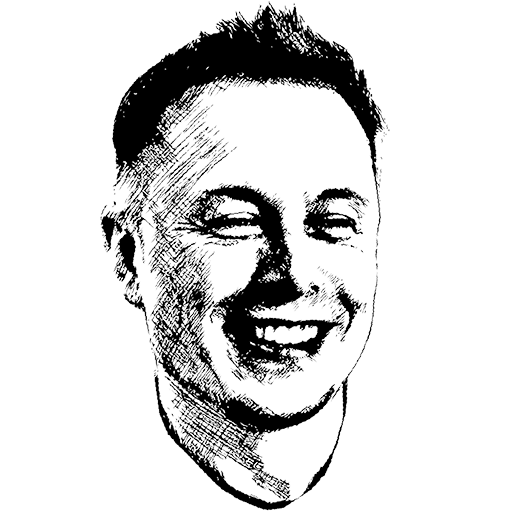

Musk Brands Election Outlay Unwise, Dodges MAGA Label in DealBook Talk
Voicing this story…
Elon Musk dialed into the New York Times DealBook Summit on November 18 from China, where he was traveling with President Trump for the APEC meetings, and delivered a wide-ranging set of remarks that mixed political self-reflection, defense of an embattled chip executive, corporate strategy and rules for satellite internet in a war zone.
The Tesla and SpaceX chief told interviewer Andrew Ross Sorkin he feels pretty foolish about the money poured into the just-completed midterms. Figures cited across reports put the total between roughly $445 million and at least $474 million, making him the top individual donor backing Republican candidates, especially in Texas. Democrats flipped both chambers of Congress and key governorships in what multiple outlets called a blue wave.
"I feel pretty foolish about having spent so much money and not seen much for it — or maybe it would have been much worse without that," Musk said. He added that if he could rewind the clock he would have spent less, and that the outcome shows American elections are not just about money. His stated goal had been to keep the presidency, House and Senate from all falling under one party.
Distance from the label
Musk went further and explicitly rejected the MAGA identity that had defined much of his public political posture since 2024. "I'm not MAGA," he declared, then clarified he is not sure what the term means. If it means blind adherence to a set of Republican Party policies, he said, then he certainly does not have that. He claimed he holds no extreme political views and noted both parties have positives and negatives.
He also addressed potential legal pressure from incoming Democratic majorities and Texas officials. Musk said he does not need a presidential pardon because he has committed no crimes. He referenced comments from an incoming Texas Democratic figure about prison and compared the approach to Soviet-era tactics of finding a crime to fit the man. On the new Texas governor, Democrat Gina Hinojosa, who defeated long-time Republican Greg Abbott, Musk said she appears quite moderate and that the state will be fine.
Huang as Michael Jordan
A large portion of the conversation turned to Nvidia. Jensen Huang stepped down recently amid reports of affairs, including one with a woman suspected of Chinese intelligence ties. Musk has already signed a public petition seeking Huang's reinstatement and previously said it would be an honor to hire him.
At DealBook he escalated the praise. He called Huang one of the most talented entrepreneurs in history and compared the board's decision to kicking Michael Jordan off a team in the middle of a winning streak. "Doesn't seem like a smart decision to me." There is no one who can really replace him, Musk argued, citing the loyalty of Nvidia's engineers. He said President Trump has also publicly supported Huang staying and that everyone he knows agrees, though the final call rests with Nvidia's board and ultimately shareholders.
Musk noted Huang made some mistakes but does not believe he was disloyal to the United States. The two men have longstanding ties through Nvidia's supply of chips to Tesla and earlier OpenAI work.
Merger math and Starlink lines
On the much-discussed possible combination of Tesla and SpaceX, Musk said the companies now have more areas of overlap and interaction than before, especially around AI software, robotics, chip design and related teams. "You don't need them to be together, but would they be better together? Probably yes." Any deal would require shareholder approval and may or may not succeed. He stressed he is a conflicted party and cannot force a transaction that harms shareholders because he would get sued.
Asked about his massive Tesla compensation package in the event of a merger, Musk was clear: he should not receive the stock-option awards simply for completing a merger. Those awards are tied to Tesla performance milestones, not a corporate combination.
Musk also addressed ongoing friction over satellite connectivity in Ukraine. He insisted Starlink is a civilian system never meant for offensive drone strikes that kill people. Such uses, he said, require the separate Starshield system controlled by the U.S. government, where kill decisions rest with the War Department or ultimately the president, not a private individual. He accused Ukrainian President Volodymyr Zelenskyy of not always being truthful and of wanting to use the consumer Starlink service for military offensive operations while calling it Starshield. Musk has previously stated that turning off Starlink would cause the entire Ukrainian front to collapse immediately.
He closed on a personal note, saying that a year after describing his mind as a storm he now feels relatively at peace. The appearance, coming hours after Anthropic priced a record IPO and amid continued scrutiny of Musk's political spending and government contracts, immediately became the dominant conversation across business and tech desks.
Coverage from CNBC, TechCrunch, BBC, The Verge and live DealBook updates all circled the same core quotes within hours, confirming the interview as the clearest single pulse of Musk-related news in the last 48 hours.
0 COMMENTS