
Zelenskyy Says Starshield Speed Caps Are Crippling Ukraine’s Interceptor Drones
Ukrainian President Volodymyr Zelenskyy went public this weekend with sharp criticism of SpaceX over its Starshield network. He said speed limits have left interceptor drones unable to keep up with Russian jet-powered Shahed attacks along the full front line.
Connections drop once the drones exceed roughly 161 kilometers per hour, or 100 miles per hour. That threshold has held for five straight days in temporarily occupied areas and across test sectors, according to daily checks by Ukrainian forces.
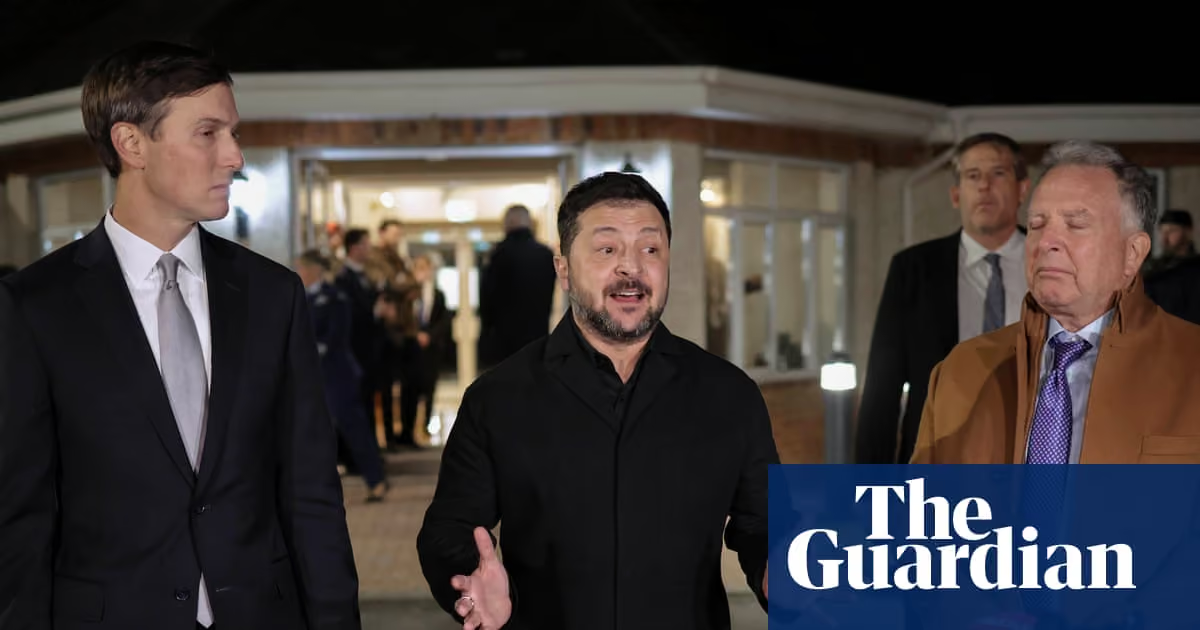
The result, Zelenskyy told reporters in Kyiv, is that incoming high-speed Russian drones can no longer be reliably intercepted. Mid-range strikes into occupied territory have also suffered. He called the explanation from SpaceX unconvincing.
Company Response Versus Frontline Reality
SpaceX told Ukraine’s defense ministry it was imposing no restrictions and blamed a technical issue. The company gave the same denial to Axios earlier, stating flatly that nothing had changed. Zelenskyy rejected that account. “We do not believe that is the case,” he said, noting the problems appear systematically every day in multiple directions.
Starshield is the hardened, government-oriented version of Starlink. Ukraine receives it through a U.S. arrangement and relies on it for reconnaissance drones and air-defense intercepts. Commercial Starlink handles broader battlefield communications. The distinction matters because earlier October disruptions also hit both systems before a temporary restoration around October 24.
This latest episode began just before U.S. envoys met Russian officials. Zelenskyy linked the timing to pressure around peace talks and possible territorial demands. He instructed his foreign and defense ministries plus the presidential office to push both the American side and SpaceX for a full fix.
Winter Stakes and Political Edge
On Sunday he escalated the appeal, saying lives and energy infrastructure protection ahead of winter depend on lifting the caps. “It is important to be on the right side of history,” he wrote. Russian strikes on the power grid have intensified in recent months, raising the cost of any gap in drone defenses.
Zelenskyy also flagged a deeper concern: applying different rules over occupied Ukrainian land risks treating those areas as separate. He views that as carrying political weight beyond pure technical glitches. Congressional voices on the Ukraine caucus have already demanded a full accounting from the administration and the company.
SpaceX has long maintained that Starshield decisions ultimately sit with the U.S. government. Earlier statements from Elon Musk placed final authority with the Pentagon and the White House. The current back-and-forth leaves Ukrainian operators testing the same speed cutoff daily while waiting for clearer answers.
The dispute sits against a backdrop of ongoing diplomatic contacts involving U.S. special envoys. For now the practical effect is measurable on the ground: fewer successful intercepts of the faster Russian drones that threaten both troops and civilian power sites as temperatures drop.
Whether the limits prove temporary technical noise or something more deliberate remains the open question Kyiv wants resolved before the coldest months arrive.
0 COMMENTS